August Update from Wyatt

August is here! We’re half way through the CSA season. The farm is finally starting to look more normal as we have finally caught up, the plants are growing, and we are awaiting the summer crops. In the previous update I wrote about the 6 weeks of rain in the spring that set us back tremendously. This entire growing season will feel the effects of that huge disruption all the way to the end. But, many crops are recovering and we are returning to a more normal rain-free farming.

This season we have had more crop failures and missed crop plantings than ever before. At the same time we have stayed focused on getting the most important tasks done first and have been constantly prioritizing what to do first. The Red Wagon crew this season has done a great job of accomplishing everything quickly and efficiently all with a good attitude. We are not out of money yet and are hoping for the usual sale increase as the summer crops begin to arrive. I am somewhat baffled that we are not doing much worse when I add up the thousands of dollars in lost crops. I think we lost well over $50,000 in crops that we planted that are not going to make it.

Most years when we make the weekly harvest list for CSA we have more choices than we need each week. This year it has felt like there were no choices and that we only had what we gave the CSA. We have brought much less food to the farmers’ market than usual. Twice a week we email a crop availability list to restaurants and for the last 2 months the list has been very short.

The crop failures are as follows: the first two plantings of potatoes rotted. We tried a July planting and it looks promising so in late September we might have potatoes again. The early cauliflower, cabbage and broccoli that we grow for July to add some variety to the CSA did not survive the wet weather and were stunted. The first cucumber and zucchini plantings are dismal, but the second planting is doing extremely well. We did not plant many cucumbers in the second planting due to not having enough dry field so we will be light on cucumbers this year. The Brussels sprouts and fall cabbage don’t look good. The peppers and tomatoes and eggplant all look good but are about a month behind. They were planted late and it has been cool and wet. We row covered them to try and accelerate the growth. We will have some tomatoes, peppers and eggplant but it is not clear how much of a crop we will get. It will not be early, which is what we aim for since it usually freezes by mid-September. The melons look good and there are cantaloupe almost softball size. The first planting of cantaloupe (3,000 plants) are good. The second planting probably will not yield much. The watermelon were planted on bare soil. We normally plant them on the agricultural plastic mulch to get them to produce in our cool summers. We will see, but I don’t expect watermelon. The winter squash is growing but it is not clear if it will make a very good crop. This last hot week has helped, but it is difficult to tell. The pumpkins are growing terribly. Not exactly sure why but they seem to hate the soil they are growing in.

We do have many of our usual crops doing well:

The parsnips are glorious and are the greens are thigh high. The sunchokes are beginning to flower, which means they are just about ready. The later planting of kale and broccoli is looking very good and the last planting of kale and chard for fall was planted yesterday. The beans will continue to produce. The carrots and beets are finally doing well and we have several plantings all looking good.

Onions- I have been working on learning to grow onions better and have been trying different planting methods. I apologize to people who do not want so many onions. I cook with lots of onions and use them up quickly. There is a pretty good crop of onions that we have already harvested with many more to be harvested.

The leeks started to bolt early. I think they were stressed when planted. They were planted late due to the rain. The first planting is almost done and the second planting should be ready in the fall.

The melons are coming and I think we should have a few weeks of cantaloupe for our CSA. They need to ripen before the first frost and hopefully before it starts to cool off in September.

The edamame was planted in May and survived the rain and is looking like it will make a nice crop.

As a bit of insurance for having enough food, we have just planted another acre of greens, radishes, beets, etc., this week. Normally we wait until mid-August to start planting for fall. In the upcoming weeks we will plant more carrots and spinach as well as more successions of greens.

We are doing our best to keep our CSA members fed and hope to finish the season with a good variety and plenty of produce.
Thanks
Wyatt
Posted in 2015, Farm, Newsletter | 3 Comments

CSA week 12

Here is what we hope to bring you:

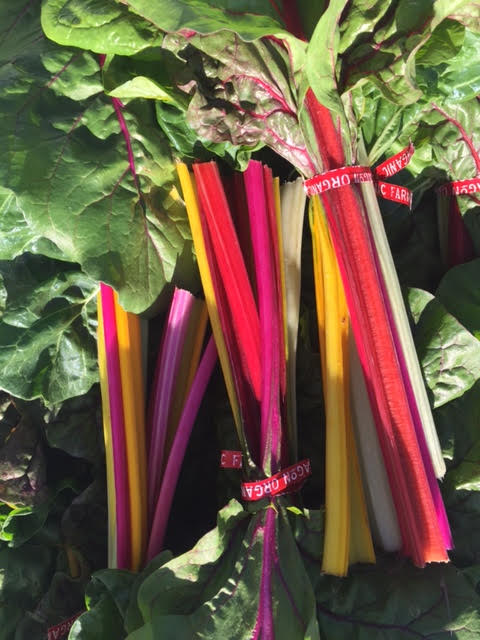
Rainbow Chard

Rainbow Chard

Regular Share
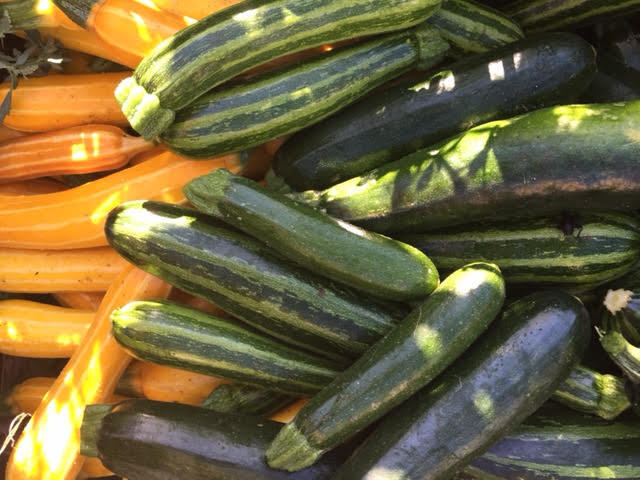
-Zucchini
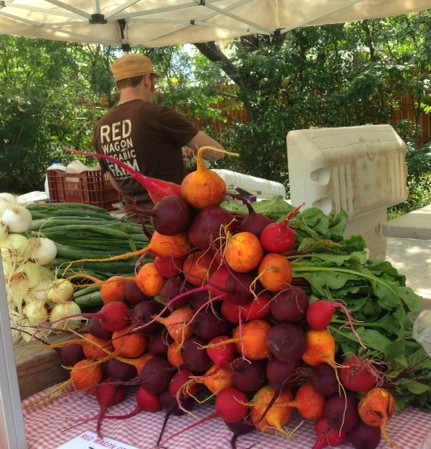
-Beets
-Onions
-Basil
-Choice: Carrots OR Kohlrabi
-Choice: Flat-Leaf OR Curly Leaf Parsley
-Choice: Chard OR Green Curly Kale OR Tuscan Kale OR Leeks

Large Share Additions
-Tomatoes
-Double Zucchini
-Extra Choice: Chard OR Green Curly Kale OR Tuscan Kale OR Leeks

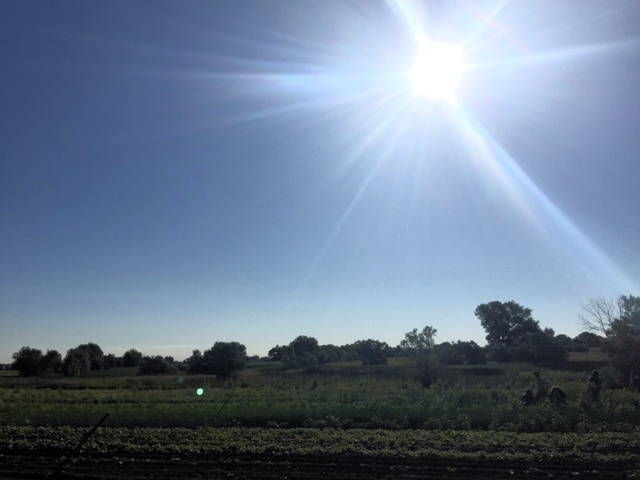
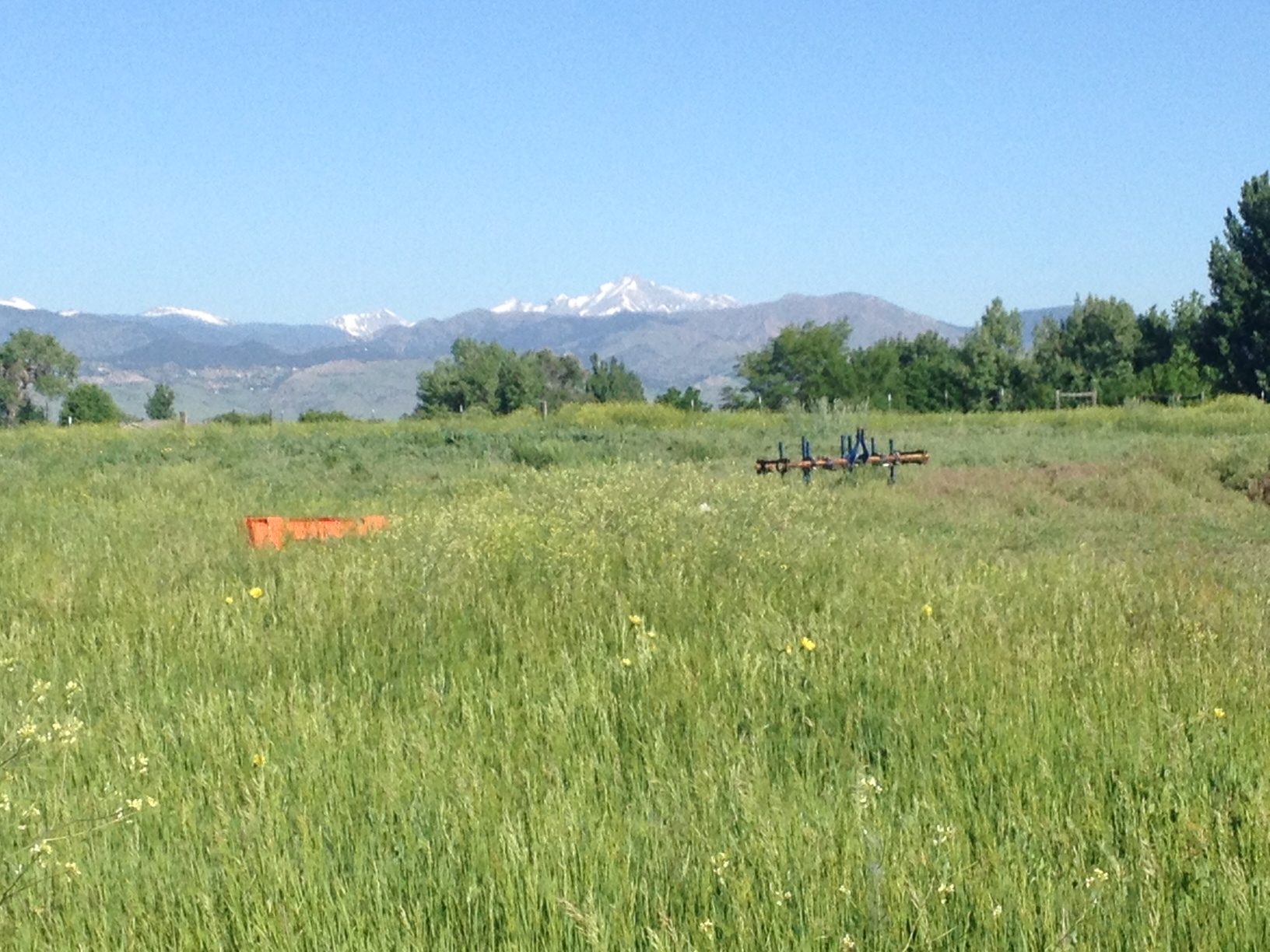
Teller - ah, the serenity

Teller – ah, the serenity!

14768212135_212143abd7_o

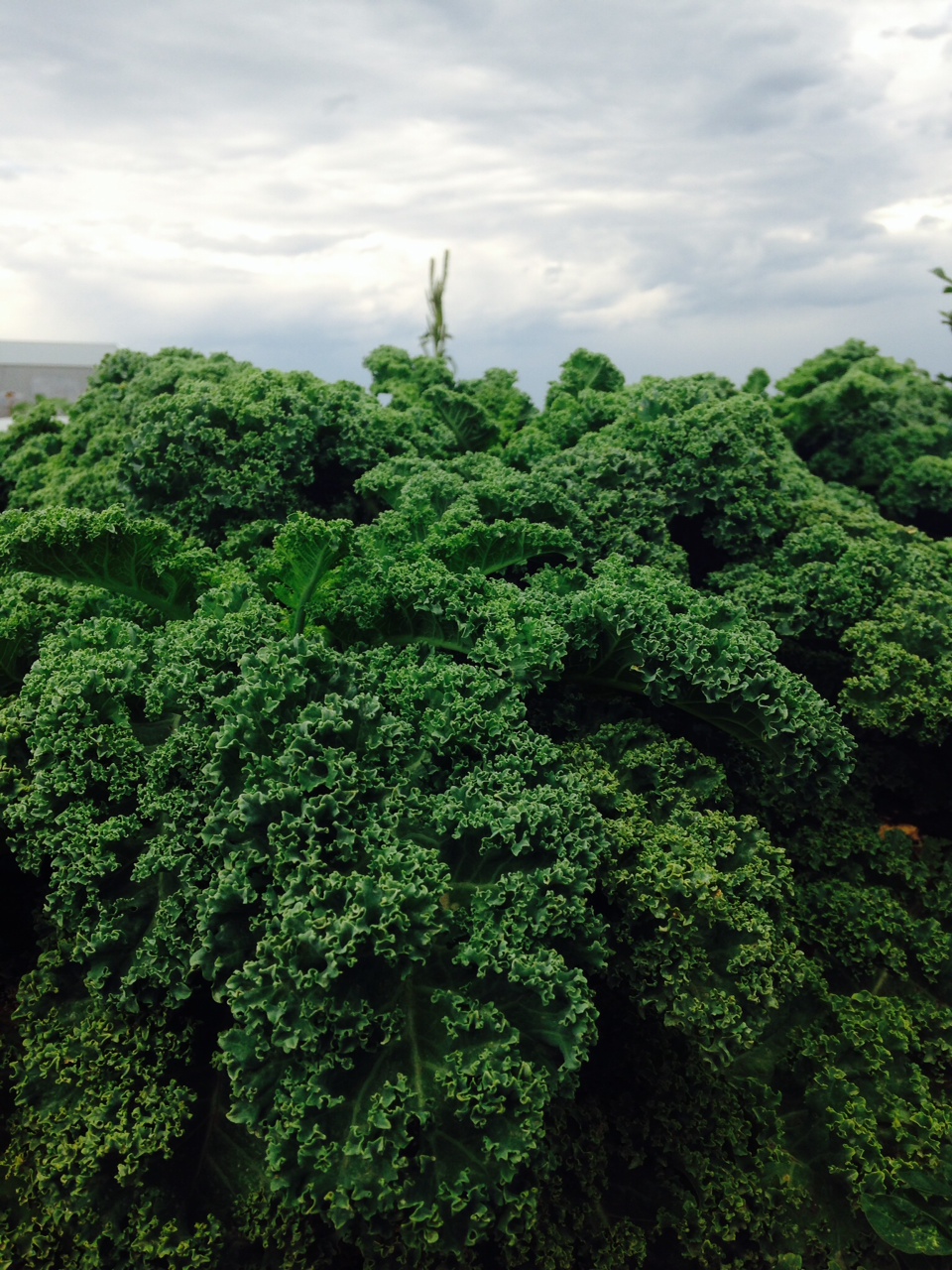
Curly Kale

Posted in 2015, Newsletter | Comments Off on CSA week 12

Alpaca Yarn!

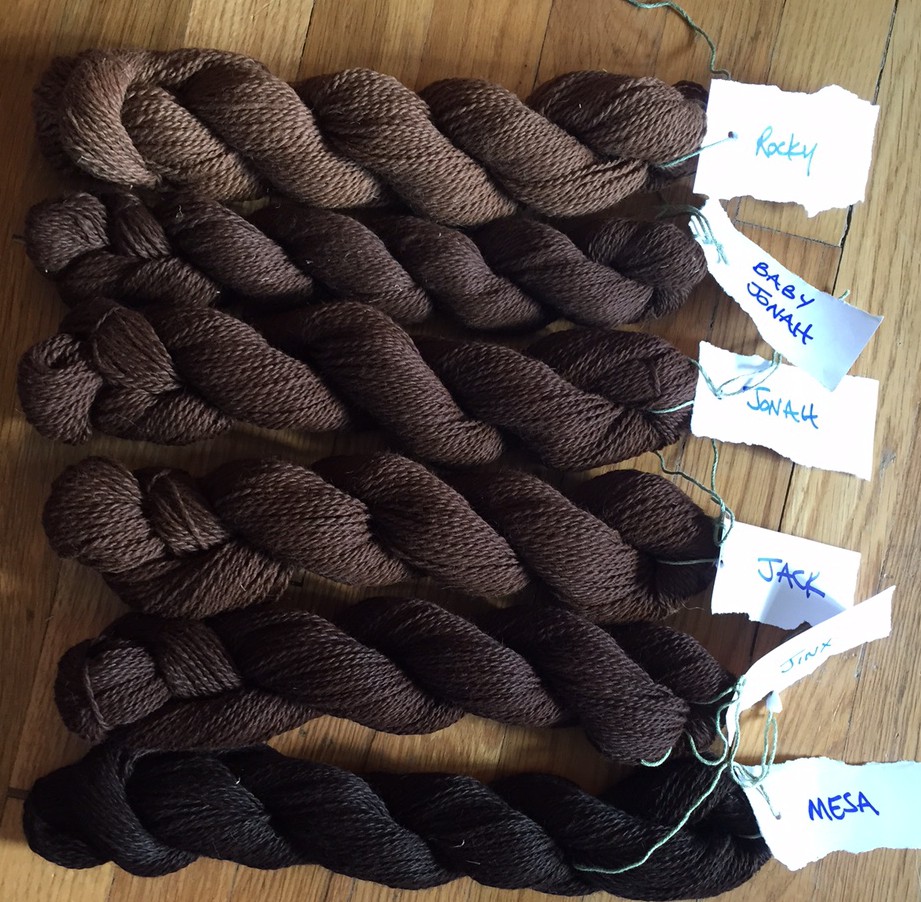
Why am I posting about alpaca yarn??? Those of you who have been out to our farm have almost certainly seen our alpacas. For five years I have been shearing the alpacas in the spring and then stashing away the fiber to clean up “over the winter”. Many winters have come and gone and I never seem to find time to deal with the fiber. But this past winter was different! With the help of Chayo and Leonie, I got all the fiber “skirted”. Skirting is the process of removing unwanted items from the fiber – straw and other plant matter, coarse or otherwise undesirable bits of fiber, second cuts, and anything else you don’t want in your final product. This is a time-consuming process–and completely overwhelming once you have let five years’ worth of fiber accumulate! But the Chayo, Leonie, and I were determined to get it done. Finally it was ready to take to the fiber mill! (With much rejoicing!) At the mill, the fiber is run through many machines where it is washed, picked, carded, drafted, spun, and plied.

Skeins of Alpaca YarnAlpaca Rovings

Wyatt and I got our first alpacas in January 2010. Yesterday, with much delight, I picked up my first alpaca yarn and rovings (for hand spinning). Stay tuned for the Red Wagon fiber CSA…

Posted in 2015, Farm, Newsletter | 2 Comments

Interview with Wyatt on KGNU

Wyatt was recently interviewed by KGNU. He talks about the heavy rainfall we received in the spring and the lasting effects of the challenging weather.  Click here to listen to the interview.

Posted in 2015, Farm, Newsletter | Comments Off on Interview with Wyatt on KGNU

CSA week 11

Beets fresh from the field

Beets fresh from the field

It’s week 11, and this week we hope to bring you:

Regular Share
-Green Beans
-Beets
-Carrots
-Potatoes
-Choice: Chard OR Green Curly Kale OR Leeks
-Choice: Zucchini OR Parsley

Large Share Addition
-Extra Choice: Chard OR Green Curly Kale OR Leeks
-Zucchini AND Cucumbers
-Choice: Flat-Leaf OR Curly Leaf Parsley
-Basil

Leeks

Leeks

Teller Farm

Teller Farm

Posted in 2015, Farm, Newsletter | Comments Off on CSA week 11

Fruit Share Update

This growing season has been a difficult one for Front Range farmers. We are still feeling the effects of the 6 weeks of rain from mid-April through May when we couldn’t get into our fields to plant. Thankfully we have been able to eek out enough food for our CSA shares each week. But we will see the effects of the difficult spring for the rest of this growing season.

I think the growing season has been even more difficult for fruit growers on the Western Slope of Colorado. I just finished reading this update from Ela Family Farms. In it they explain the particulars of why the weather was so hard on their fruit trees. There was an exceptionally cold night in April that killed almost all of the blossoms on their fruit trees. Then the rainy weeks that followed meant that the pollinating insects couldn’t get out to do their work on the small number of blossoms that remained. For those of you that don’t know the cycle of fruit production, the spring blossoms on the trees are pollinated and those pollinated blossoms later turn into fruit. One night of temperatures in the 20s at just the wrong time in the spring can kill all the blossoms and wipe out the fruit for an entire season.

As Steve Ela explains in his update, he still does not know what to expect in terms of fruit production for the season. Their harvests will be intermittent, so he can’t plan for labor to pick the fruit. Steve told us that he might have one variety of peaches that is productive, but then the next variety that should be ready has been lost for the season. Unfortunately, you can’t have skilled fruit pickers magically appear and then disappear as you need them. As with the rest of us, they need reliable work and can’t just work for a few days here and there. So the fruit growers might be faced with the sad circumstance of having a crop ready one week, but nobody available to harvest it.

We have worked with First Fruits Organic Farms (Paonia, CO) and Ela Family Farms (Hotchkiss, CO) since 2002. They have the highest quality organic fruit we can find in Colorado. We work with two fruit growers as a sort of hedge. If one has a crop failure for a particular fruit, the other will often have better luck. Unfortunately this year, both farms suffered from that very cold night in April. They have both told us that they will have fruit intermittently and will try hard to get it to us.

Last week were lucky enough to get some cherries from First Fruits–an unexpected surprise! They said they thought they would be able to get cherries to us again this week. But sadly, once they started picking for this weekend, they realized there weren’t enough cherries and many of them were damaged, so they don’t have anything to delivery to us. And if we had ordered enough cherries last week to get us through this week, they would all be moldy mush by now. They pick their fruit when it is ripe, which is what gives it that unbeatable flavor. The only downside is that the ripe fruit is more perishable, so we can’t order enough to get us through two weeks at a time. We will just have to take things week by week. That will be the sad theme for this season – unpredictable.

Wyatt and I have been thinking a lot about what to do with our Fruit Share this season. When there is a shortage of fruit, like this year, we can’t simply go to another farm to buy fruit because they are also short on fruit and need to supply their regular customers. We also don’t want to get low-quality fruit that may be under-ripe, bruised, or otherwise damaged. This has been our experience with many other fruit growers we have tried over the years.

We will do our best to fill our Fruit Share this season and hope for some happy surprises. In the meantime, Wyatt and I will evaluate the options if we fall short on fruit. And we will be thinking a lot about the families at First Fruits and Ela Farms. Steve Ela told us that he will likely get by this year, but they will need a good year next year in order to survive. Farming is risky work and we wish our friends on the Western Slope well as they endure this difficult season.

Posted in 2015, Farm | 4 Comments

CSA week 10

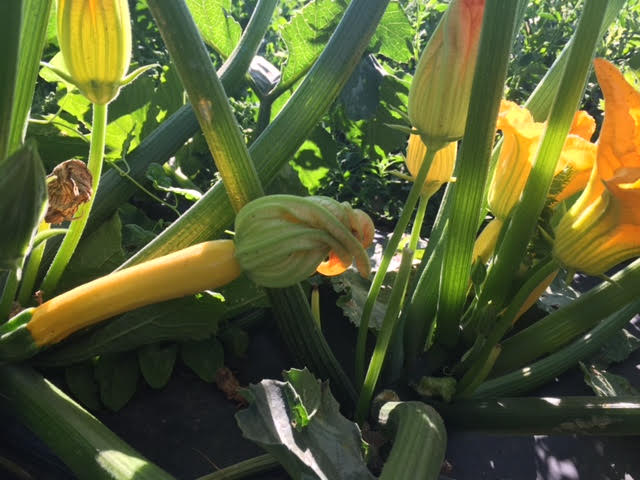
This week we hope to bring you:Zuncchini Plant

Regular Share
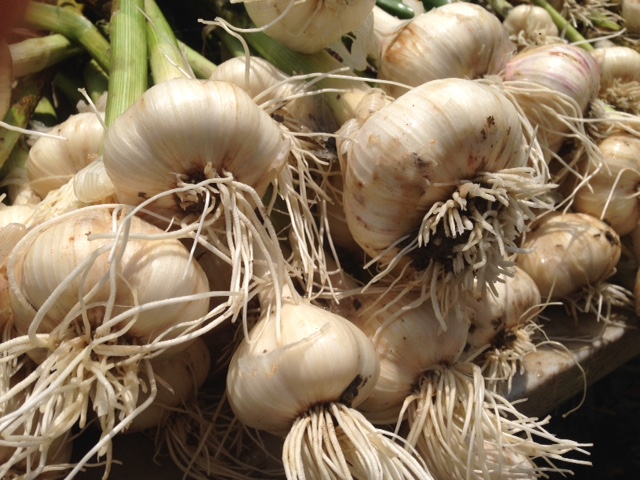
-Garlic
-Choice: Onions OR Zucchini
-Choice: Leeks OR Fennel
-Two Choices: Beets OR Carrots OR Hakurei Turnips
-Choice: Collards OR Chard OR Green Curly Kale

Large Share Additions
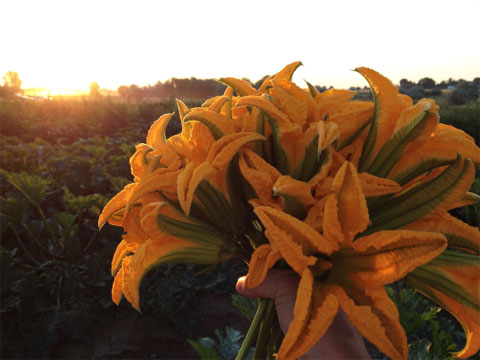
-Squash Blossoms
-Extra Choice: Onions OR Zucchini
-Extra Choice: Collards OR Chard OR Green -Curly Kale

Zuncchini


Squash Blossoms


Posted in 2015, Newsletter | Comments Off on CSA week 10

CSA week 9

This week we hope to bring you:Beets at CSA

Regular Share
-New Potatoes
-Beets
-Garlic
-Carrots
-Choice: Baby Fennel OR Leeks
-Choice: Onions OR Zucchini
-Choice: Collards OR Chard OR Green Curly Kale OR -Tuscan Kale

Large Share Additions
-Extra New Potatoes
-Basil

Fruit Share
-Cherries

**Note on Fruit Share: The Western Slope is also experiencing a difficult growing season. The extreme temperatures and excessive rainfall have devastated fruit crops. Fruit availability will be unpredictable and we will have to see how it goes on a week-by-week basis.

CarrotsGarlic close up

Posted in 2015, Newsletter | Comments Off on CSA week 9

Feeding the Pollinators

Many people think of honeybees when they think of pollinators. Of course the honeybees are incredibly important, but we also have 108 species of wild pollinators in Boulder County. Wyatt says he has seen at least 12 species of wild pollinators at the same time on our farm. We would need an entomologist to truly figure out how many pollinators we have and identify them.

From three-inch sphinx moths to quarter-inch wasps, we have a great diversity of pollinators and they are not easy to identify. There are orchard bees, squash bees and several kinds of bumblebees. Several types of wasp also pollinate while feeding on nectar.

Bumble bee and honeybee on onion flower

A bumblebee and a honeybee get nectar from an onion flower.

We need the pollinators to do the work of pollinating crops like zucchini and melons. But they need a source of food (nectar and pollen) from about March to November. When you have a mono-crop (like alfalfa or almonds), the pollinators only get food for a very brief period when the plants are flowering. In order to survive, they need food the entire time from spring to fall.

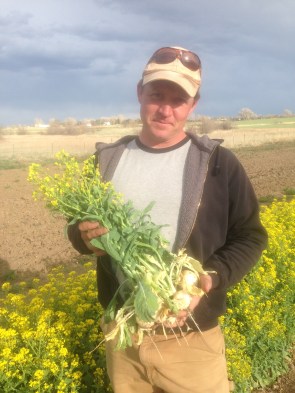
Wyatt holding flowering turnips

Honeybee on flowering turnips

These turnips didn’t get harvested last fall. They are no longer fit for human consumption as they have flowered. But the flowers provide a much-needed source of nectar in early April.

After we are done harvesting our crops, we will often let them go to flower to provide a source of food for the pollinators. We have also started planting flower strips in areas around the farm with the intention of providing food for the pollinators. In this way, we cultivate a healthy population of wild pollinators to do the work of pollinating our food crops for us.

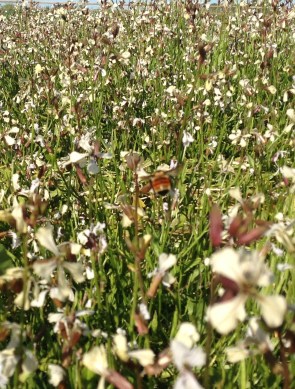
Bumble bee on arugula flowers

Flowering arugula

The bumblebee on the left is enjoying some nectar in a huge field of arugula that Wyatt let go to flower.

Posted in 2015, Farm, Newsletter | Comments Off on Feeding the Pollinators

July CSA Tour Photos

Thank you so much to everybody who made it to our July 1 CSA farm tour! We had a surprisingly good turnout, despite some brief showers in the middle of the tour.

I never remember to take as many photos as I would like at our CSA tours. But I wanted to share a few fun moments I was able to capture.

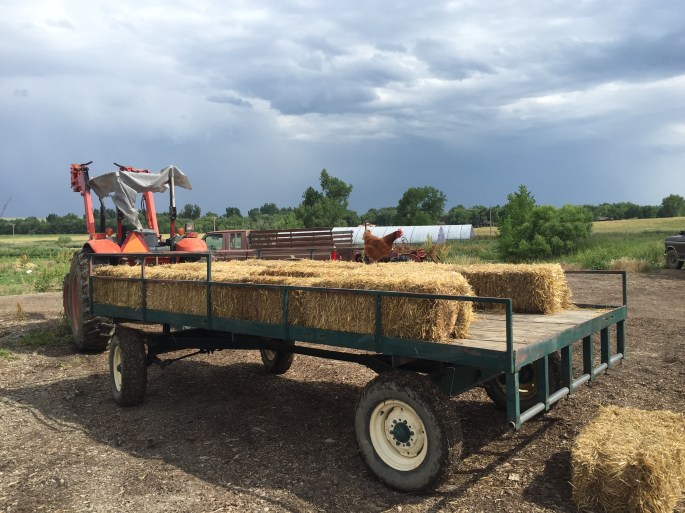
Chicken inspection

One of our chickens decided to do a safety check of the hay wagon before our guests arrived.

Ellie Belle

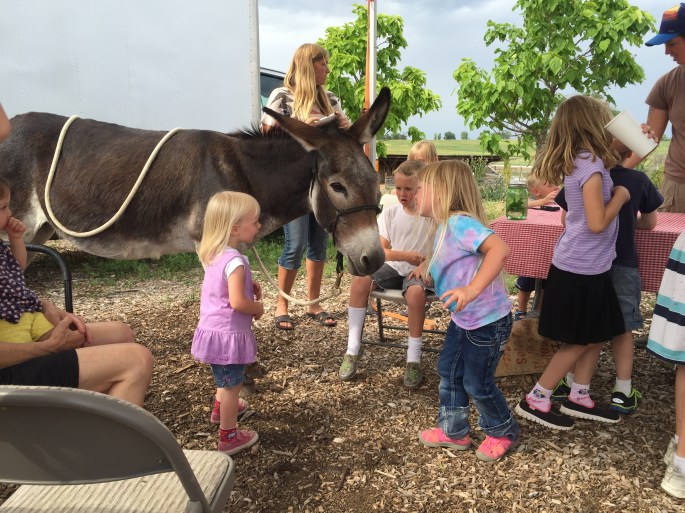
Ellie Belle wins the award for “best donkey ever” for dealing so well with all the affection showered on her.

Ellie Belle trying to catch up to the hayride

Ellie Belle chasing after the hay wagon so she can try to hop on.

Farm rainbow

I cheated on this one–it was taken the day after the tour. We get the best rainbows at our farm!

Posted in 2015, Farm, Newsletter | Comments Off on July CSA Tour Photos